
You know the feeling. You keep running to the bathroom, but barely anything comes out. When you do pee, it burns. Your lower belly feels crampy, and you cannot stop thinking about when you will need to go again.
It may be a urinary tract infection, or UTI. And while UTIs are common, they are not something to ignore.
A UTI happens when bacteria enter the urinary tract, which includes the kidneys, ureters, bladder and urethra. Most UTIs affect the bladder, but the infection can move higher into the kidneys if it is not treated. That is when a painful, uncomfortable problem can become more serious. The CDC notes that bladder infections are the most common type of UTI, while kidney infections are less common but more serious.
Here are the signs to watch for, why prompt treatment matters and when to get care.
Common UTI symptoms
UTI symptoms can come on quickly. You may notice:
- A strong urge to pee, even when little comes out
- Burning or pain when you pee
- Peeing more often than usual
- Pressure, cramping or pain in your lower belly
- Cloudy, dark, bloody or strong-smelling urine
- Feeling tired, shaky or generally unwell
Some people, especially older adults, may have less obvious symptoms. If something feels off, it is always worth checking in with a provider.
Why you should not wait out a UTI
A mild UTI may seem like something you can manage at home, but waiting can give the infection more time to spread.
1. A UTI can turn into a kidney infection
Most UTIs start in the lower urinary tract. If bacteria travel up to the kidneys, the infection can become more serious. A kidney infection may cause fever, chills, back or side pain, nausea or vomiting. NIDDK notes that most kidney infections start as a bladder infection, and they need medical treatment.
Kidney infections can sometimes lead to long-term kidney damage or a life-threatening infection if they are not treated.
Ready to get relief from your UTI symptoms?
You don’t have to wait and hope your symptoms improve. Duly offers same-day primary care appointments and convenient Immediate Care locations to help diagnose and treat urinary tract infections quickly, so you can start feeling better sooner.
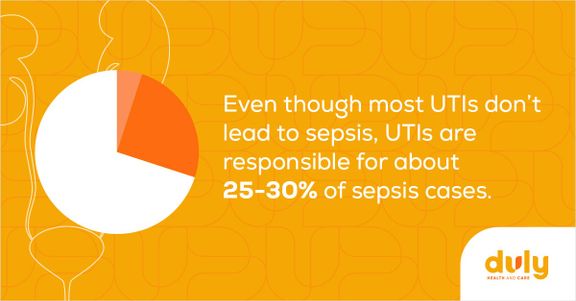
2. An untreated infection can lead to sepsis
Sepsis is the body’s extreme response to an infection. It is uncommon, but it can happen when a UTI or kidney infection becomes severe. NIDDK lists fever, chills, confusion, rapid breathing, rapid heart rate, severe pain and shortness of breath as possible signs of sepsis.
Get emergency care right away if you have UTI symptoms along with confusion, trouble breathing, severe weakness, high fever or intense pain.
3. It may not be a UTI
Burning, urgency and pelvic discomfort can also happen with other conditions, including sexually transmitted infections, vaginal infections, kidney stones, prostate concerns or diabetes-related urinary symptoms.
Getting checked helps make sure you are treating the right problem.
4. Pregnancy changes the urgency
Frequent urination can happen during pregnancy, but UTIs during pregnancy need medical attention. If you are pregnant or think you could be pregnant, contact your provider promptly for guidance.
5. You deserve relief
UTIs are uncomfortable, distracting and painful. The right treatment can help you feel better sooner. Antibiotics are often used to treat UTIs, and the best medication depends on your health history and the type of bacteria causing the infection. Mayo Clinic notes that antibiotics are commonly used for UTIs, with the specific choice guided by your health and urine results.
When to get care for UTI symptoms
Make an appointment with your primary care provider or visit Immediate Care if you have symptoms of a UTI. Do not wait if symptoms are getting worse or you have had UTIs before.
Seek care right away if you have:
- Fever or chills
- Pain in your back or side
- Nausea or vomiting
- Blood in your urine
- Symptoms during pregnancy
- Symptoms in a child
- A UTI in a man
- Recurrent UTIs
- Symptoms that do not improve after starting treatment
If you have two or more UTIs in six months or three or more in one year, it may be time to see a urologist.
How UTIs are treated
Your provider may ask about your symptoms and order a urine test. If you have a UTI, treatment often includes antibiotics. It is important to take the medication as directed, even if you start feeling better before it is finished.
Drinking water, avoiding bladder irritants and using over-the-counter pain relief as recommended by your provider may help with comfort, but home care should not replace medical treatment when you have UTI symptoms.
The bottom line
A UTI is common, but it should still be taken seriously. The sooner you get care, the sooner you can start feeling better and lower the risk of the infection spreading.
If you think you have a UTI, schedule an appointment with your primary care provider or visit a Duly Immediate Care Center.
Schedule an appointment for UTI symptoms
Urinary Tract Infection FAQs
Can a UTI go away on its own?
Some mild urinary symptoms may improve, but it is not a good idea to assume a UTI will clear on its own. UTIs can worsen or spread to the kidneys if they are not treated. If you have burning, urgency, frequent urination or lower belly pain, contact your provider or visit Immediate Care.
How do I know if my UTI has become a kidney infection?
A kidney infection may cause UTI symptoms along with fever, chills, back or side pain, nausea or vomiting. If you have these symptoms, seek medical care right away.
When should I go to Immediate Care for a UTI?
Visit Immediate Care if you have UTI symptoms and cannot see your primary care provider quickly, or if your symptoms are getting worse. Get urgent medical attention if you have fever, chills, back pain, vomiting, blood in your urine or symptoms during pregnancy.
Are antibiotics always needed for a UTI?
Many UTIs are treated with antibiotics, but your provider will determine the right treatment based on your symptoms, health history and, when needed, urine test results. Do not take leftover antibiotics or someone else’s prescription.
What can feel like a UTI but is not?
Several conditions can cause similar symptoms, including sexually transmitted infections, vaginal infections, kidney stones, prostate issues and diabetes-related urinary changes. Testing can help confirm what is causing your symptoms.
What counts as recurrent UTIs?
Recurrent UTIs are usually defined as two or more infections in six months or three or more infections in one year. If this is happening to you, a urologist can help look for causes and prevention options.
Can I have a UTI while pregnant?
Yes. UTIs can happen during pregnancy and should be treated promptly. If you are pregnant or think you may be pregnant and have UTI symptoms, contact your provider for next steps.
Health Topics:
-

My philosophy of care is to provide a complete picture as much as possible and to provide an expert opinion of the options available for comprehensive care.


