
A basketball to the head, a fall from a cheerleading pyramid, a tackle to the ground – there are endless ways sports can result in injuries to their head.
If your child hurts their head, they may have a concussion. Concussions are mild traumatic brain injuries (TBIs). They occur when something shakes or jolts your body (usually an impact to your head or body) that causes your brain to move back and forth. Concussions don’t actually damage the structures in the brain, but they can alter how the brain functions.
The good news is that, as scary as a brain injury sounds, most concussions aren’t emergencies and do not require a trip to the emergency room. The not-so-good news is that some concussions are emergencies, and they can be very serious or become life-threatening if they aren’t treated right away. That’s why it’s so important to take every concussion seriously.
Here are answers to common questions about sports concussions.
How Do I Know if My Child Has a Concussion?
There are many different signs of a concussion, and some are much more obvious than others.
After your child gets injured, monitor them for symptoms such as:
- Seeming stunned or dazed
- Slurred speech
- Vomiting
- Asking the same questions repeatedly and answering questions slowly
- Loss of consciousness (even briefly) or seizures
- Behavior, mood, or personality changes
- Difficulty recalling events before or after the injury
Since not all signs are obvious, and you might not be around your child all the time, it’s important to loop your child in. Ask them if they are experiencing symptoms such as:
- Decreased appetite
- Headache or pressure in their head
- Dizziness or difficulty balancing
- Vision changes
- Confusion
- Problems with memory or concentration
- Sleep problems, like trouble falling or staying asleep or sleeping more or less than usual
- Feeling hazy, foggy, groggy, or sluggish
- Generally not feeling “right”
Symptoms usually start right after an injury, but they can sometimes start hours or even a few days later.
Are the Symptoms of Concussions Different in Young Children?
Younger children often have similar symptoms, but they’re not always able to notice that something is wrong or express how they feel. Pay extra close attention after an injury and be on the lookout for symptoms, such as:
- A blank stare
- Being unusually cranky or irritable
- Crying or fussing more than usual
- Sudden changes in sleeping patterns
- Being tired at unusual times or getting tired easily
- Vomiting
- Walking unsteadily
- Refusal to eat
- Loss of interest in their favorite toys
Does My Child Need to Go to the Emergency Room?
Not all concussions warrant a trip to the emergency room. In many cases, your child will benefit more from making an appointment with a sports medicine or concussion specialist. However, there are certain situations when it’s critical to get care ASAP.
Get your child emergency care right away after a head injury if they have:
- Loss of consciousness
- Seizures
- Headaches that get dramatically worse in a short period of time
- Significant drowsiness or confusion
- Persistent nausea or vomiting
- Numbness, weakness, or reduced coordination
- Difficulty recognizing people or places
- A serious neck injury
- Vision or eye changes, like enlarged pupils
- Slurred speech
- Blood or fluid coming out of the ears or nose
- Large bumps or bruises on their head
A Word From Our Provider
“Concussions in young athletes are being diagnosed at higher rates than in previous generations. This is mostly due to coaches, parents, referees, and healthcare providers doing a better job of identifying these injuries.
As a Duly physician, my goal is to help manage these injuries in a safe and evidence-based manner throughout the healing process. Together, we can help your child minimize the risk of future injury and confidently return to sports and normal activities.”
Has your child had a minor concussion, and you need guidance on recovery? Our sports medicine specialists and immediate care providers can assess their symptoms, answer your questions, and create a personalized plan to help them heal safely. Call 1−630−469−9200 to schedule with one of our sports medicine providers or click below to find an immediate care center near you.
Find Immediate Care near you >
Who Is Most at Risk for Sports-Related Concussions?
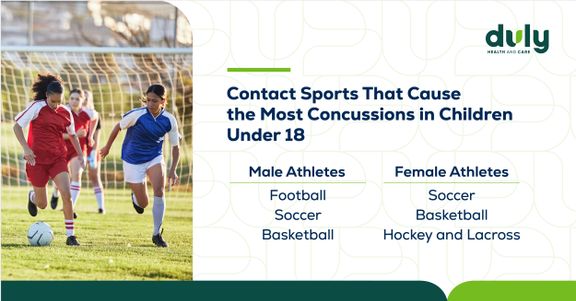
Your mind might immediately jump to football players, but football isn’t the only potentially dangerous sport. Other contact sports like soccer, basketball, cheerleading, hockey, rugby, wrestling, and lacrosse are all well-known culprits of concussions. If your child doesn’t play sports but participates in recreational activities like skateboarding or bike riding, they may also be at risk.
Can Concussions Be Prevented?
You can’t always prevent a concussion, but there are ways to lower your child’s risk.
One of the most important things your child can do is wear a properly fitting helmet when playing contact sports or doing an activity that involves riding (like on horseback, a bike, or a snowboard). Helmets can reduce the force that causes a concussion and protect your child from a more severe TBI.
Also, make sure your child is familiar with the signs of concussions and knows to tell you or their coach know if they have symptoms after an injury.
Also read: 3 Preventable Fall Sports Injuries for Student Athletes
How Are Concussions Treated?
The main treatment for a concussion is rest. Your child’s provider might recommend taking acetaminophen (Tylenol) if they have headaches. They should not take nonsteroidal anti-inflammatory drugs (NSAIDs) like ibuprofen or aspirin since they can increase the risk of bleeding.
For the first few days, any activities that require concentration or a lot of physical activity can trigger symptoms. However, unless their provider says otherwise, they don’t need to avoid those activities completely. Gentle exercises, like walking or light jogging, can actually improve recovery time. Just make sure that your child isn’t overdoing it and that activities aren’t making their symptoms worse.
As symptoms improve and they ease back into daily life, they might need to make modifications, like taking frequent study breaks or limiting activity in gym class or other physical activities (including those around the house). Make sure to tell your child’s teachers – they may extend deadlines or give extra time on tests if the concussion is affecting concentration.
Should I Wake My Child Up at Night or Keep Them Awake to Make Sure They’re Okay?
This is a myth that stems from the fear that someone is having a brain bleed, which can be fatal.
However, brain bleeds from concussions are extremely rare. It’s actually better to let your child sleep, since sleep can speed up healing. Keep monitoring them while they sleep, but don’t worry about waking them up.
Do Concussions Cause Permanent Brain Damage?
Concussions usually don’t cause lasting damage. The majority of children make full recoveries, and it’s very rare for symptoms to become permanent.
That said, some concussions can have long-term effects. And while a single concussion is unlikely to cause permanent problems, having multiple in a short period of time or over a person’s lifetime can affect how the brain works and lead to severe complications or serious health conditions.
When Can My Child Return to Play?
The process of returning to a sport or normal activity usually takes at least a full week, and depending on the severity of symptoms, sometimes longer. Your child should not start their sport again until their symptoms have completely resolved and they have been cleared by their provider. The provider will check that your child:
- Doesn’t have any symptoms
- Is not taking any medication for symptoms
- Has gone back to school full time, and their concentration and memory are back to normal
- Doesn’t have symptoms that return after sprinting, jogging, or doing push-ups or sit-ups
Additionally, your child’s school or athletic organization might have their own policies for when someone can return to play after a concussion.
Even if your child is feeling fine, don’t let them play again without medical clearance. It’s easier to get another concussion if they haven’t healed from the first one, and their symptoms could get even worse and last even longer.
Also read: Be the Real MVP — When and When Not to Push Through a Sports Injury
If your child gets a concussion, try not to panic. While it’s critical to take concussions seriously and to get your child the care they need, most children can go back to their normal lives and return to the sport they love.
Whether you need immediate evaluation for a minor concussion or ongoing concussion management, Duly’s sports medicine experts and immediate care teams are ready to help your young athlete recover fully and return to play safely.
Call 1−630−469−9200 to schedule with one of our sports medicine providers or click below to find an immediate care center near you.
Find Immediate Care near you >
Health Topics:
-

I am passionate about working with patients to involve them in all aspects of their care. I strongly believe that patients who understand the nature of their injuries and conditions make more informed and better decisions about both surgical and conservative management options. I enjoy spending time getting to know my patients as individuals and not just as a set of labs and x-rays. As each person has individual goals for their return to sports, activities, and lifestyle goals, I tailor my treatment plans to make sure we can mutually decide on the best plan.


