
The shift from summer to school always seems to happen overnight. One week your kids are sleeping in and racing through the sprinkler, and the next there’s a supply list on the fridge, a backpack buried somewhere in the closet, and a form that needs a doctor’s signature.
It’s a lot to juggle. And in the middle of the shopping and the scheduling, your child’s health is easy to push to the bottom of the list.
Here’s why that’s worth rethinking: some of the most important back-to-school to-dos actually take time. Appointment slots fill up fast in late summer. A few things, like clearing up acne or setting up an asthma plan, only work if you start them weeks ahead. So the earlier you map it out, the calmer the whole season feels.
Ready to check the big one off your list? If your child needs a school or sports physical this year, late summer books up quickly. Schedule a school or sports physical with a Duly pediatrician today.
At a Glance
- Start with a physical. It’s the foundation for everything else, and certain grades and sports require one. Book it early before convenient appointments disappear.
- Have an allergy or asthma plan ready before the first bell, not after the first reaction.
- An eye exam checks more than vision. How well the eyes work together affects reading and focus.
- Skin routines take about a month to work, so don’t wait until the night before picture day.
- Reset the sleep schedule a couple of weeks early instead of all at once.
- Lighten the backpack. A too-heavy bag can lead to real neck and back pain.
- Watch for stress. New routines can show up as stomachaches, mood swings, or pulling away from friends.
Start with a physical exam
Think of the yearly physical as the anchor of your back-to-school list. Everything else tends to fall into place around it.
During the visit, your pediatrician checks in on your child’s overall health: how they’re growing, how they’re eating and sleeping, how active they are, and where they stand on recommended vaccines. This kind of appointment is called a preventive, or well, visit, and it’s built around the big-picture view of your child’s health rather than any one problem.
That distinction matters for a practical reason. If you want to dig into a specific concern, like a lingering symptom, a possible new diagnosis, or adjusting treatment for a condition your child already has, that’s usually handled as a separate problem visit, which may be billed on its own. None of that means you should sit on a worry. The simplest approach is to mention any specific concerns when you schedule, so the appointment is set up the right way and you know what to expect. If you’re not sure which kind of visit your child needs, Duly’s care team can walk you through it, and this overview of preventive visits versus problem visits breaks down the difference.
If your child plays a sport, they may also need an annual sports physical. This is a separate, focused exam that makes sure they’re healthy enough for the extra physical demands of practices and games.
Not sure whether this is your child’s year? In Illinois, kids need a school physical if they’re heading into preschool, kindergarten, sixth grade, or ninth grade, or switching to a new school district. Sports Physicals are required yearly for all athletes participating in school-sponsored athletic programs.
Don’t wait for the August rush. Booking your child’s school or sports physical early means you get the time slot that works for your family and any needed forms in plenty of time.
Book a school physical today
Have an allergy or asthma plan ready
If your child has allergies or asthma, the start of a new year is the right time to revisit the plan. Kids grow, and a medication dose that fit last fall may not fit now. Meeting with an allergist once a year keeps the plan current and makes sure the right emergency medications are on hand.
That plan is more than paperwork. It spells out what your child’s specific triggers are and exactly what to do, including which emergency medications to use, if a reaction or asthma attack happens at school.
Allergist Amee Majmundar, MD, encourages parents to talk it through with both their child and their child’s teachers, so everyone knows the plan before they need it. That conversation is also a good chance to cover the small habits that lower risk day to day, like frequent handwashing and not sharing snacks.
“New teachers, new friends and new adventures are what back-to-school season is all about. With a little allergy planning and teamwork, kids with food allergies can focus on learning, growing, and making memories.”
Dr. Amee Majmundar, Orland Park Allergist
One easy thing to check off now: look at the expiration dates on epinephrine auto-injectors (the emergency shots used during a severe allergic reaction) and albuterol inhalers before you send them in with your child.
An eye exam checks more than vision
Eye exams aren’t only about whether your child can read the board. A dilated eye exam, where drops widen the pupils so the provider can see inside the eye, tells you about the health of the eyes and how well they team up together.
Here’s why that matters. A child can have 20/20 vision and still struggle if their eyes don’t work together smoothly. That mismatch can cause double vision, eye strain, and headaches, and it can make close-up tasks like reading, writing, and comprehension harder than they should be. None of that is obvious from the outside, which is part of why these exams are so useful.
For kids without known eye or vision concerns, Duly optometrists suggest an exam at least every two years to catch any changes. Kids who already wear glasses or contacts should be seen every year.
Reset the sleep schedule, gradually
Sleep does a lot of quiet work for kids, from mood and focus to how their bodies fight off the colds that make the rounds every fall. The American Academy of Sleep Medicine, with the American Academy of Pediatrics (AAP) behind it, recommends that school-age kids get 9 to 12 hours a night, while teens need a bit less, around 8 to 10.
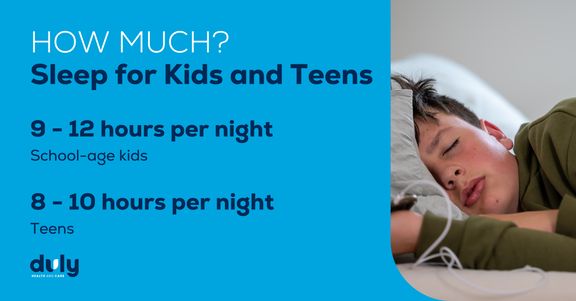
The trick is easing into it rather than flipping a switch the night before school starts. About two weeks ahead, start nudging bedtime and wake-up time a little earlier every few days until you land on the school-year schedule. Duly pediatricians also suggest powering down screens an hour before bed, which helps the brain wind down for a more restful night.
Clear up skin concerns before the first day
Acne has a way of landing right when a teen feels most on display. Heading back to a building full of classmates can make breakouts feel like a much bigger deal, and that self-consciousness is real.
The good news is that a simple routine, started early, makes a difference. Dermatologist Ashley Feneran, DO, recommends washing the face twice a day, morning and night, with a gentle cleanser, skipping rough or scrubby products, and applying sunscreen every day, since too much sun can actually trigger flare-ups.
“I recommend keeping skincare routines simple, especially for children and teens. In the morning, wash your face, apply a moisturizer, then finish with a broad-spectrum sunscreen. At night, use a gentle cleanser to remove the day’s dirt and oil, followed by a moisturizer. If your teen is heading to sports practice or other activities after school, keep makeup remover wipes or face pads with salicylic acid in their backpack or gym bag. They’re an easy way to remove sweat, makeup and buildup when they can’t wash their face right away, which can help prevent clogged pores and breakouts.”
Dr. Ashley Feneran, Elmhurst Dermatologist
Over-the-counter options can help too, including oil-free or non-comedogenic moisturizers (meaning they’re formulated not to clog pores) and products with salicylic acid or benzoyl peroxide.
There’s one catch, and it’s the reason timing matters: acne products usually take about a month to show results. Starting a routine a few weeks before the first day gives it time to work. For stubborn acne that over-the-counter products can’t budge, a dermatologist can talk through other options, like prescription topicals.
Some health to-dos can’t be rushed. Skin routines, allergy plans, and appointment availability all reward starting early. Book your child’s back-to-school visit now.
Lighten the backpack load
An overstuffed backpack isn’t just annoying to carry. It can throw off posture and lead to genuine back and neck pain. Physical therapist assistant, Michelle Wisen, PTA, shares a few ways to keep that from happening.
“Kids’ backpacks should stay light and be worn with both straps snug against the back. When loads get too heavy or are carried improperly, the body compensates with poor posture and strain, increasing the risk of back and shoulder pain. Smart packing and proper fit go a long way in keeping kids comfortable and injury-free”
Michelle Wisen, PTA, Tinley Park Physical Therapy
- Check the fit. Kids should always wear both straps, never just one, to keep the weight balanced. Look for padded, adjustable straps, and aim for a bag that sits from shoulder height to about two inches below the waistline.
- Check the weight. The American Physical Therapy Association (APTA), the national organization for physical therapists, recommends keeping a loaded backpack under 10 to 15 percent of your child’s body weight. A quick test: lift the bag yourself, and if it feels heavy, pull out anything that doesn’t need to make the trip.
- Pack it smart. Put the heaviest items at the bottom of the bag, and use multiple compartments to spread the weight evenly instead of letting it all pull from one spot.
Keep an eye on stress
New schools, new teachers, and new routines can stir up nerves, even when your child is genuinely excited. Those nerves don’t always look like worry, though. Sometimes they show up in the stomach.
Gastroenterologist Navdeep Chehl, MD, points out that anything outside a child’s normal routine can lead to an upset stomach, thanks to the constant back-and-forth between the nerves in the gut and the brain, often called the gut-brain connection. Alongside stomachaches, it’s worth watching for shifts in mood or behavior, like more frequent tantrums or pulling away from friends.
A few simple things can soften the transition. Duly Pediatrician Maria Onagan, MD, suggests setting up playdates with classmates over the summer, so a familiar face or two makes the first day feel less daunting and a lot more fun. She also recommends keeping kids moving, since regular activity and a balanced diet are some of the best stress relievers around.
“Summer is the perfect time for kids and families to stay active, whether that’s learning a new sport, swimming, biking, exploring local trails or simply spending more time playing outside with friends. Pairing those activities with healthy habits like eating plenty of fresh fruits, staying hydrated and getting enough sleep helps support both physical and mental well-being. Regular physical activity doesn’t just strengthen the body. It also helps reduce feelings of stress and anxiety by releasing chemicals in the brain that boost mood and create an overall sense of wellness. Together, movement, good nutrition and quality sleep help kids head into the new school year feeling healthy, confident and ready to learn.”
Dr. Maria Onagan, Joliet Pediatrician
If something feels off and isn’t settling as the weeks go on, your pediatrician is a good person to talk to. Sometimes a quick conversation is all it takes to tell the difference between first-week jitters and something that needs a closer look.
A calmer start begins now
You don’t have to tackle all of this in one weekend. But a little planning ahead, whether that’s booking a physical, refreshing an allergy plan, or shifting bedtime by 15 minutes, adds up to a smoother first day for your whole family.
The single best place to start is the one thing that books up fastest: your child’s physical.
Beat the back-to-school scramble. Schedule your child’s school or sports physical with a Duly pediatrician today and check the most important box off your list early.
Back-to-School Health FAQ
Answers from Duly pediatricians and specialists on exams, vaccines, sleep, skin, and more.
When should I schedule my child’s back-to-school physical?
The sooner, the better. We recommend scheduling in late spring or early summer, before summer schedules fill up and appointment availability gets tight. Getting ahead of it means less stress for you, and plenty of time to take care of any required paperwork before the first day of school.
What grades require a school physical in Illinois?
Illinois requires a school physical when your child enters preschool, kindergarten, 6th grade, or 9th grade, and whenever they transfer to a new school district.
Do student athletes need a separate sports physical?
Good news if your child already has a school physical scheduled — a sports physical can be covered in the same appointment. Just let us know when you book that your child participates in a school-sponsored sport, so we can make sure everything is addressed and all required forms are completed before the season starts.
What is the difference between a well visit and a problem visit?
A well visit is your child’s routine checkup, where we talk through growth, nutrition, sleep, activity levels, and any upcoming vaccines. A problem visit is when something specific has come up that needs attention. These are billed separately, so if you have concerns beyond the routine checkup, just let us know when you schedule so we can make sure the visit is set up the right way.
How do I prepare my child’s allergy or asthma plan for school?
An annual visit with an allergist before school starts is the best place to begin. Your child’s action plan should clearly document their triggers and give school staff step-by-step instructions, including which emergency medications to use. Before the school year begins, check the expiration dates on any epinephrine auto-injectors or albuterol inhalers, and walk through the plan with both your child and their teachers.
Does my child need an eye exam before school?
Yes, even if your child seems to see just fine. A dilated eye exam goes beyond checking sharpness. It also looks at how well both eyes are working together. When that coordination is off, children can experience headaches, eye strain, and difficulty reading without any obvious outward signs. Children without known concerns should be seen at least every two years; those who already wear glasses or contacts should be seen annually.
How early should I start an acne routine before school pictures?
Give yourself at least four to six weeks. Most treatments, including over-the-counter options with salicylic acid or benzoyl peroxide, take about a month to show visible results. A simple daily routine goes a long way: wash twice a day with a gentle cleanser and apply sunscreen every morning, since sun exposure can make breakouts worse. If over-the-counter products aren’t doing the job, a Duly dermatologist can talk through prescription options with you.
How do I reset my child’s sleep schedule for school?
Start about two weeks before school begins. Rather than making an abrupt change the night before, shift bedtime and wake-up time by 15 to 20 minutes every few days until your child is on the school-year schedule. The American Academy of Pediatrics recommends 9 to 12 hours of sleep per night for school-age children and 8 to 10 hours for teens. Turning off screens at least an hour before bed also makes it easier for the brain to wind down.
How heavy should my child’s backpack be?
A loaded backpack should weigh no more than 10 to 15 percent of your child’s body weight. Always use both shoulder straps, since single-strap carrying puts uneven stress on the back and neck. Look for padded, adjustable straps and a bag that sits between shoulder height and two inches below the waistline. Pack the heaviest items at the bottom and spread the load across multiple compartments when you can.
What are signs that back-to-school stress is affecting my child?
Anxiety about school doesn’t always show up as worry. Stomachaches, headaches, mood changes, increased tantrums, or pulling away from friends are all common signs. These physical symptoms reflect a real connection between emotional stress and the digestive system. If they persist beyond the first few weeks of school, a conversation with your child’s pediatrician is a good next step to figure out whether additional support would help.
How can I help my child feel less anxious about starting a new school year?
Getting some social connections in place before school starts can make a real difference. Arranging a playdate or two with classmates means your child already has a familiar face on day one. Keeping up regular physical activity and a balanced diet are also effective ways to help kids manage stress. And gradually shifting sleep schedules and daily routines two weeks ahead of time makes the transition feel a lot less abrupt for everyone.
Health Topics:


